San Antonio History
Between 1691 to 1709, Spanish explorers discovered the area which is now known as San Antonio. Native Americans inhabited the region and called it Yanaguana. The river was named the San Antonio River by Spaniards because they made their discovery on the feast day of St. Anthony. In 1718, Father Antonio Olivares established the Mission San Anotniode Valero. This laid the foundation for the city of San Antonio.
It did not take too long before five such Spanish missions were situated along the river. The settlement grew to a population of more than 2,000 by 1778. The population was mostly poor Native Americans and settlers. By 1795, the missions became military barracks and later it would be called the Alamo.
San Antonio was the site of numerous battles during the Texas Revolution. The famous Battle of the Alamo occurred in 1836 when 189 defenders tried to fight against 4,000 Mexican troops. They were able to hold them off for 13 days.
After the Mexican forces were removed from the area, in December 1836, Bexar County became more organized and was named the Republic of Texas. By 1846, the population had dropped to around 800 due to the series of battles the city was involved in.
Texas joined the union, which caused very fast growth in the San Antonio area. It soon became a thriving community which served as a distribution center for the United States as it made its move westward. The city grew to almost 3,500 by 1850 and to more than 8,000 by 1860. In 1861, Texas succeeded from the nation. But after the end of the Civil War, San Antonio saw years of prosperity as it continued serving the border region.
San Antonio, eventually, became a hub and supplier for the many cattle drives. During this era, they developed a prosperous wool market, as merino sheep were imported into the area. And after the addition of the railway in 1877, they entered a new season of great economic growth.
By 1880, the population had grown beyond 20,000. Then, in 1881, there was a second railroad system added. By 1990, there were a total of five railroads coming into the town. By this time, it was the largest city in Texas and had a population of more than 50,000 people.
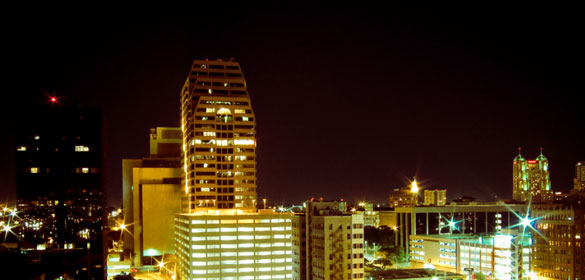
The city of San Antonio continued to grow and the community was able to progress from the past into modern ways of living, including transportation. The historical value of the city is preserved by the old Spanish walls that still stand next to modern glass towers. There are still very charming portions of town which showcase the beautiful Victorian mansions. Close to 20 million visitors go to San Antonio to enjoy the beautiful architecture and historical sites.
Other Topics of Interest
- About the Community
- Area News
- Area Golf Courses
- School Resources
- Area Demographics and Statistics
- Weather and Climate
- City Gasoline Prices
- Community Lifestyle Resources
- Recreational Activities and Things to Do
NOTE: Information on this site is not guaranteed to be accurate. Dozens of writers have contributed articles, images and other information. Some content is compiled from 3rd party sources. If you are aware of incorrect or outdated information, feel free to contact us and if appropriate, we'll take action to correct the issue.


